



Dimensions of inner and outer sea containers
Sea containers are standardised for easy transport and handling on ships, trains and trucks. The most common are containers that conform to ISO (International Organisation for Standardization) standards. The main types of containers are 20-foot and 40-foot, but there are other options available. Here is detailed information on shipping container sizes and standards:
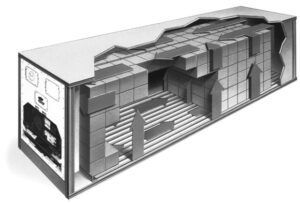
Here are the main types of shipping containers:
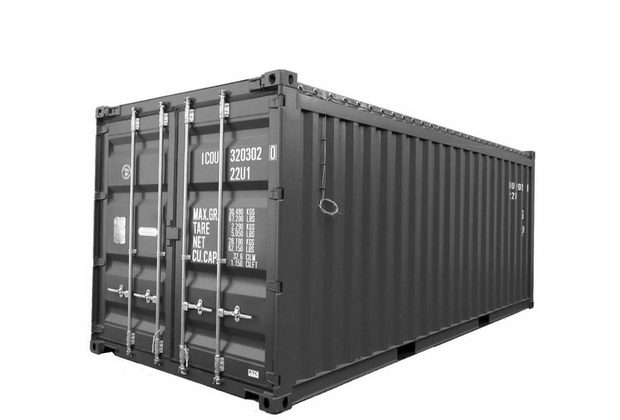
-
20-Foot Container (20' Dry Van):
External dimensions:
Length: 6,058 metres
Width: 2,438 metres
Height: 2,591 metres
Internal dimensions:
Length: 5,898 m
Width: 2,352 m
Height: 2,393 m
Volume: ~33,2 m³
Carrying capacity: ~28,230 kg
-
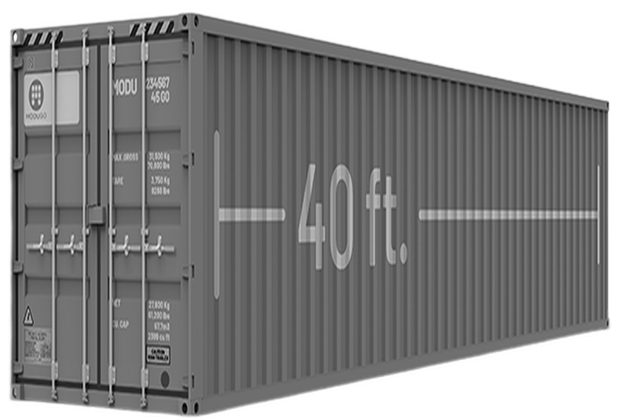
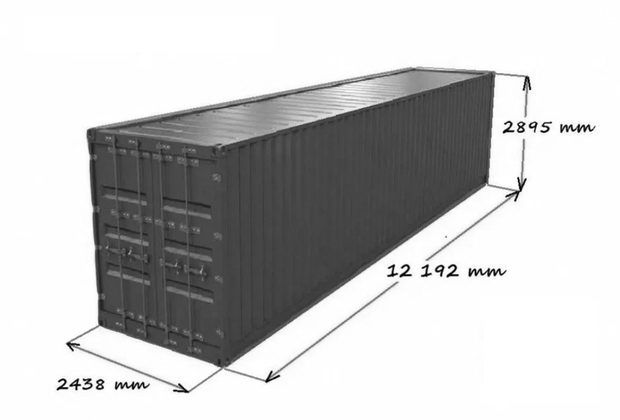
40- Foot container- 40" Dry Van:
External dimensions:
Length: 12,192 m
Width: 2,438 m
Height: 2,591 m
Internal dimensions:
Length: 12,032 m
Width: 2,352 m
Height: 2,393 m
Volume: ~67,7 m³
Payload: ~26,780 kg
-
40-Foot High Cube container (40' HC):
External dimensions:
Length: 12,192 m
Width: 2,438 m
Height: 2,896 m
Interior dimensions:
Length: 12,032 m
Width: 2,352 m
Height: 2,698 m
Volume: ~76,3 m³
Payload: ~26,500 kg
-
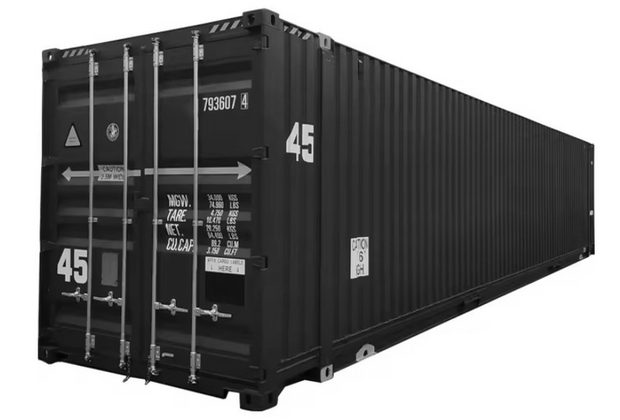
45-Foot High Cube (45' HC):
External dimensions:
Length: 13,716 m
Width: 2,438 m
Height: 2,896 m
Внутренние размеры:
Length: 13,556 m
Width: 2,352 m
Height: 2,698 m
Volume: ~86,0 m³
Cargo capacity: ~27,600 kg

-
Sea Container Standards
ISO 668: defines dimensions, weights and labelling of containers.
ISO 1496: describes the technical requirements for containers.
ISO 6346: regulates the labelling system for containers (including identification numbers).
-
Container Marking
Each container has a unique identification number consisting of:
1. The owner's prefix (3 letters).
2. Serial number (6 digits).
3. Check digit (1 digit)..
Also indicated on the container:
Maximum weight (MAX GROSS).
The tare weight (TARE).
The authorised load (NET).
-
Specialized containers:
Refrigerated containers (Reefer):
Used for transporting perishable goods.
Dimensions are similar to standard containers (20', 40', 40' HC).
Equipped with a cooling or heating system.
Open Top: A container with an opening roof for transporting oversized cargo.
Dimensions are similar to standard containers.
Flat Rack:
A container without walls or roof for the carriage of oversized cargo.
Dimensions: 20' and 40'.
Tank Container:
Used for transporting liquids.
Dimensions: 20'.
-
Helpful Hints
When choosing a container, consider not only the size but also the type of cargo.
For oversized cargo, use an Open Top or Flat Rack.
For perishable goods, choose refrigerated containers.